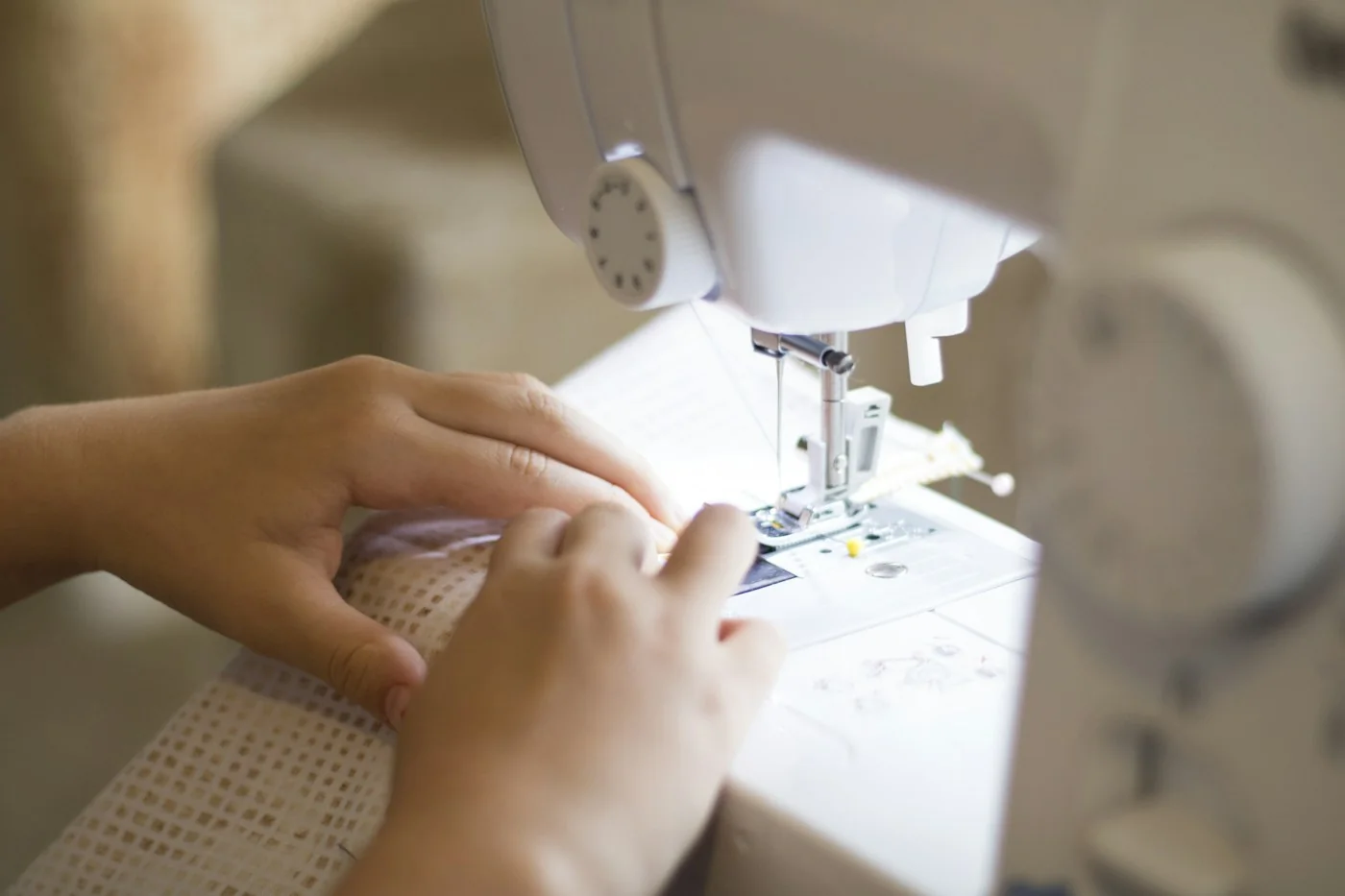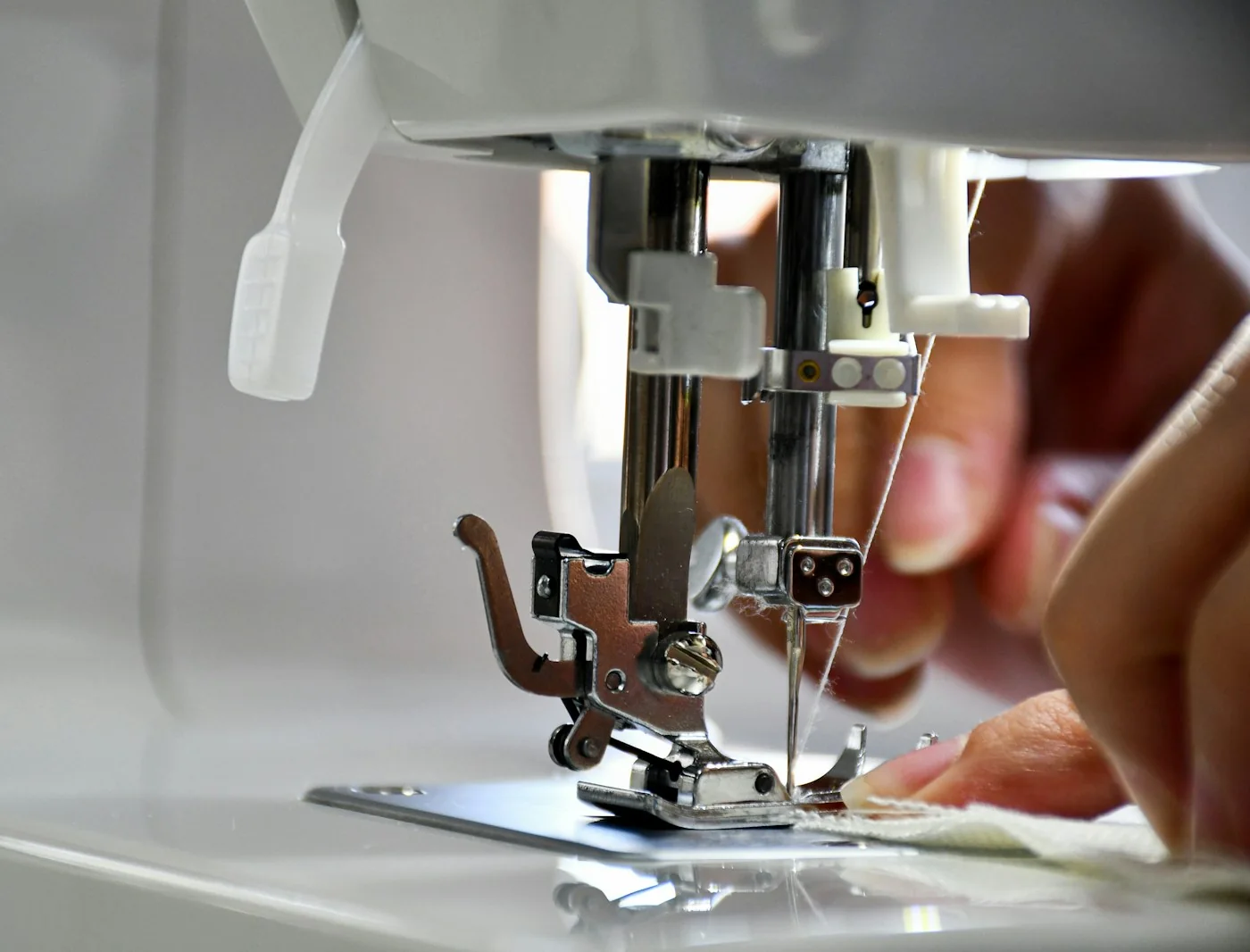
A new hole can invite an immediate repair, but the visible opening is only part of the decision. The surrounding cloth may be sound, broadly worn or unsuitable for the item's current job. Repairing without checking that context can move the next failure to the edge of the new work.
Consider three possible outcomes without treating one as morally superior in every case: continue the original use with a suitable repair, assign a real different use or retire the item responsibly. The best choice depends on condition, function and what the repair can reliably achieve.
Define the job the item must perform
A tablecloth with a cosmetic flaw, a coat fastening and a piece of protective clothing have different consequences if a repair fails. Identify the actual function before judging the damage only by its size.
For technical or safety-related products, consult the maker or relevant specialist. A household patch that looks secure does not establish that a protective function has been restored. Do not generalize ordinary garment advice to equipment whose performance matters beyond appearance.
For everyday clothing, consider fit and comfort too. Repairing a seam repeatedly will not resolve a garment that remains under excessive strain. A change in use or alteration may be more relevant than another line of stitches.
Inspect beyond the obvious opening
Lay the item on suitable support and look at both sides. Compare the affected area with sound cloth elsewhere. Check thinning, fraying, brittle folds, loose seams and the condition of fastenings.
Avoid pulling hard to measure strength informally. A destructive tug can enlarge damage without providing a reliable assessment. The Canadian Conservation Institute distinguishes sound textiles from those that are splitting, fragmenting or otherwise fragile for precisely this reason.
If weakness extends well beyond the hole, a small patch may have nowhere sound to attach. More material or stronger thread is not automatically a solution. The repair needs an appropriate load path through the remaining cloth.
Match the method to the failure
Write a repair decision with a reason, rather than judging only the size of the hole. Woolmark's repair guide and the Sewing and Craft Alliance's sewing guidelines distinguish operations whose results are not interchangeable.
- Intact seam allowances with failed sewing thread: assess resewing and the load that broke the original line.
- Missing or broadly thinned cloth: look for sound material beyond the visible opening before considering a patch.
- An intact pulled knitted loop: keep the yarn uncut while identifying its path; do not substitute depilling.
- A compromised protective function: ask the maker or relevant specialist whether an authorized repair can restore it.
For each branch, state what must remain functional after repair: movement, support, coverage or another specific task. If no sound attachment or compatible method exists, a real different use or honest retirement can be more appropriate. A visible repair is acceptable when its functional tradeoffs are understood.
Estimate the practical commitment honestly
Include the materials, skill, equipment and time required. A modest repair you can perform competently differs from one needing specialist work. A low-priced item can still justify repair for fit, attachment or preference, while price alone cannot establish repairability.
Do not invent environmental savings for a particular repair without a relevant assessment. Keeping something useful in service can be a worthwhile goal without attaching an unsupported carbon figure or claiming every repair is always the lowest-impact option.
If you seek professional help, explain the intended use and show the surrounding condition. Ask about the expected result and remaining limits. A clear bounded answer is more useful than a promise that the item will be as good as new.
Give repurposing a real destination
A textile retired from one job can sometimes serve another, but name that job. An unused pile labeled cleaning cloths is still unused storage if your household already has enough. Consider whether the new use suits the material and its care.
Remove or secure unsuitable hardware where the new purpose requires it. Do not turn an unsafe or contaminated item into something with close body or food contact simply because a different shape is easy to cut.
Historic or significant textiles need a separate decision. Cutting an heirloom for scraps can destroy information and original material. Preservation or specialist assessment may be appropriate even when ordinary household use is no longer sensible.
Make passing on and retirement truthful
If an item goes to another person, disclose relevant damage, altered sizing or repair limits. A neat fold should not conceal a known fault. Check the recipient or collection service's actual acceptance requirements rather than assuming every textile is suitable.
For recycling or disposal, use current local arrangements and follow their restrictions. Do not claim a route guarantees fiber-to-fiber recovery unless the service establishes it. Collection and final processing are different facts.
The useful decision preserves function and information. Inspect the wider cloth, choose a method with a credible outcome and acknowledge what it cannot restore. Repair when that system makes sense, repurpose when a real use exists and retire honestly when the material no longer supports the job.