One label says cotton. Another says do not tumble dry. There is no contradiction: the first describes composition, while the second concerns treatment of the finished item. Confusing those jobs is a common route from familiar material to an unsuitable care decision.
Read both pieces of information, including declarations for linings or other components. A garment is an assembled object, not simply a sample of its main fiber. Its dyes, trims, bonding and condition can matter as much as the material name you recognize first.
Composition answers what is present
A fiber statement identifies materials and, where supplied, their proportions. It helps distinguish cotton from a blend, or an outer fabric from a different lining. It does not independently identify the weave or every finish applied during manufacture.
The Canadian Conservation Institute's textile guidance describes natural, modified natural and synthetic fibers with differing characteristics. Those distinctions help explain why material information is useful. They also show why one treatment should not be assumed suitable for all textiles.
Avoid treating descriptive language as a declaration. Silk-like, linen look and soft cotton feel can describe appearance or hand. Look for the actual composition statement and ask the maker where the wording is unclear.
Construction answers how it is arranged
Construction supplies the missing middle between ingredients and treatment. Connected loops in a knitted top move differently from crossing yarns in woven cloth, even when both labels say cotton. A lining can hide that structure.
Use the maker's description or a sound visible area to identify it. The separate woven-versus-knit guide explains the observation in detail; here the important result is that cotton is not a construction or a wash program.
Care instructions answer a different question
Care information specifies permitted processes and limits for the item. In the GINETEX system, washing, bleaching, drying, ironing and professional care are separate instruction families. Read all that apply rather than stopping at the first familiar symbol.
Numbers inside the relevant wash-tub symbol indicate maximum temperatures in Celsius, while bars specify reduced mechanical action. The care decision therefore involves more than choosing water temperature. Drying and ironing remain separate stages.
Labeling systems and legal requirements differ between markets. This article explains the practical difference between information types; it is not a guide to commercial labeling compliance or a claim that every country uses identical marks.
The finished item can introduce another limit
A lining may respond differently from the shell. Decoration can be sensitive to heat, an adhesive layer may restrict a process, and a dye can require caution that the basic fiber name does not suggest. The item should be considered as a whole.
This is why a general statement that cotton is often washable cannot establish a safe method for every cotton-containing garment. The relevant care instruction has a narrower, more useful scope than a broad fiber reputation.
Condition can also change the decision over time. A historic or weakened textile may no longer tolerate a process that was appropriate when new. The Canadian Conservation Institute emphasizes assessing fragile material before cleaning, rather than treating an old label as proof of present strength.
Work through a two-label example
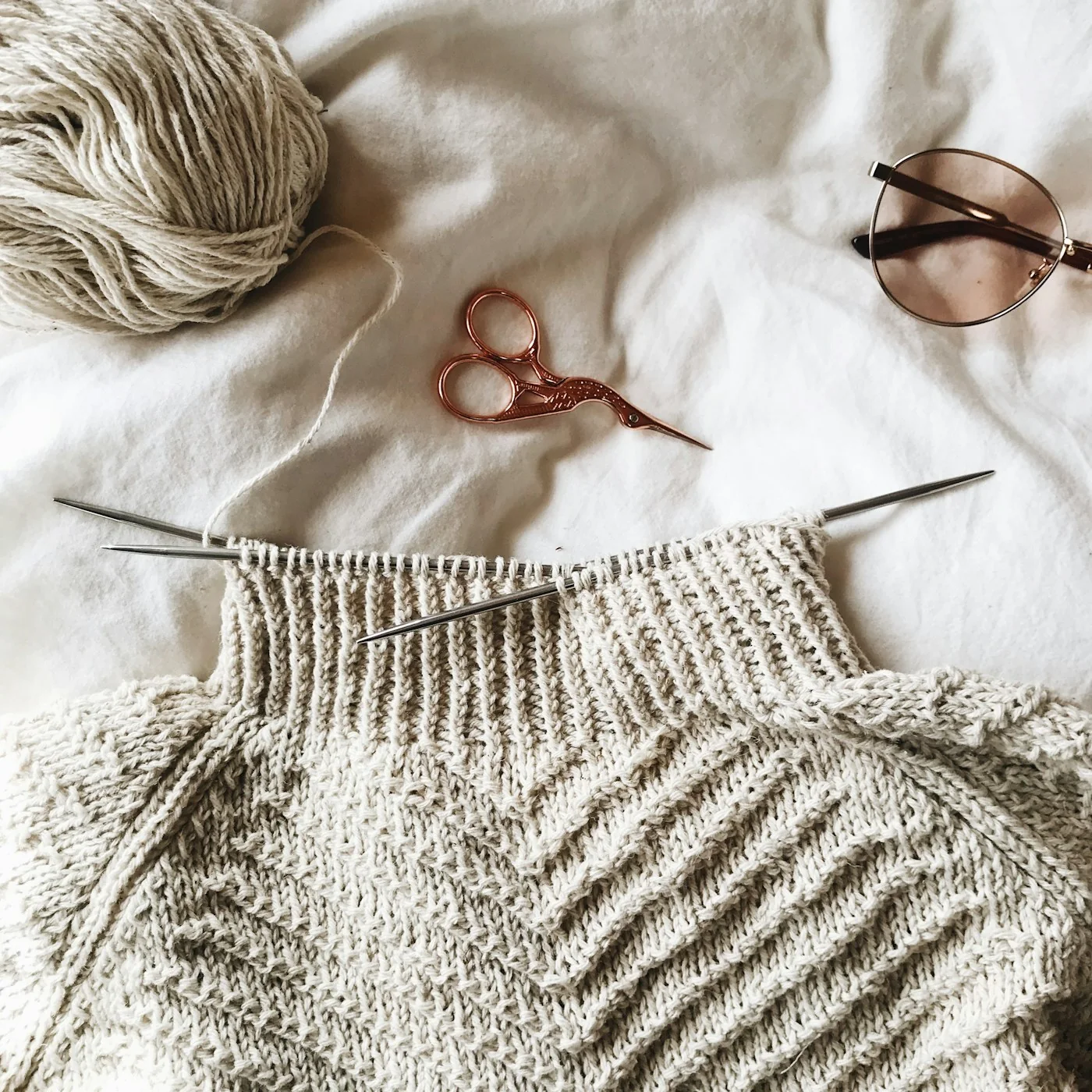
Consider an explanatory knitted top with a cotton-blend composition, a 30-degree wash limit with reduced-action instructions, and flat drying. Record three separate answers: the fibers present, the looped structure, and the permitted process. None cancels the other two.
The first decision is not whether cotton usually tolerates a familiar cycle. Check whether your appliance offers a process meeting both the temperature ceiling and mechanical-action limit. If its standard cotton program is more vigorous, changing only the temperature does not establish compatibility. Consult the manual or keep the item out of that load.
Next prepare the flat support before washing. A compatible wash followed by hanging the wet top from narrow shoulders can still conflict with its drying requirement. The full label has changed your plan twice: first at the machine, then at the drying stage.
These figures describe an imagined label, not a tested garment or universal cotton recipe. Substitute the actual item's complete instructions rather than copying the example's settings.
Deal with missing or unclear information
Photograph surviving labels and note style, maker and other identifying details. Ask the manufacturer about the specific item. If only a composition statement remains, acknowledge that the original care assessment is missing.
Avoid reconstructing an exact process from touch, a photograph or a similar garment. An unseen finish or different trim can change the answer. For valuable or fragile pieces, seek appropriate professional advice before attempting a speculative treatment.
Keep three questions visible: what materials are present, how they are constructed and what processes the finished object permits. None of those questions makes the others unnecessary. Reading them together gives the familiar fiber name its proper role without asking it to stand in for a care label.