A small hole in a wool garment is a reason to inspect, not proof that a particular insect caused it. A moth flying through a room is also not a complete diagnosis. Effective prevention begins with the textile, its surroundings and evidence that can be identified reliably.
Keep routine storage separate from treatment of an infestation. Cleaning, dry packing and inspection can reduce avoidable risk, but a suspected pest problem may need specialist identification and a method compatible with the items involved.
Look for evidence on and around the textile
Examine hidden folds, collars, seams and nearby undisturbed areas gently. UC Integrated Pest Management's clothes-moth note describes signs including silk webbing or cases, surface grazing and holes. Several signs together are more informative than one unexplained mark.
Do not shake a suspect garment throughout the room to see what falls out. Photograph what you observe and preserve useful context for identification. An image should show the affected area and surrounding material rather than only an unscaled dot.
Distinguish clothing pests from insects associated with stored food or other household sources. UC IPM explicitly warns against confusing different moths. Guessing the species from a flying adult can send treatment toward the wrong place.
Inspect before packing clean-looking wool
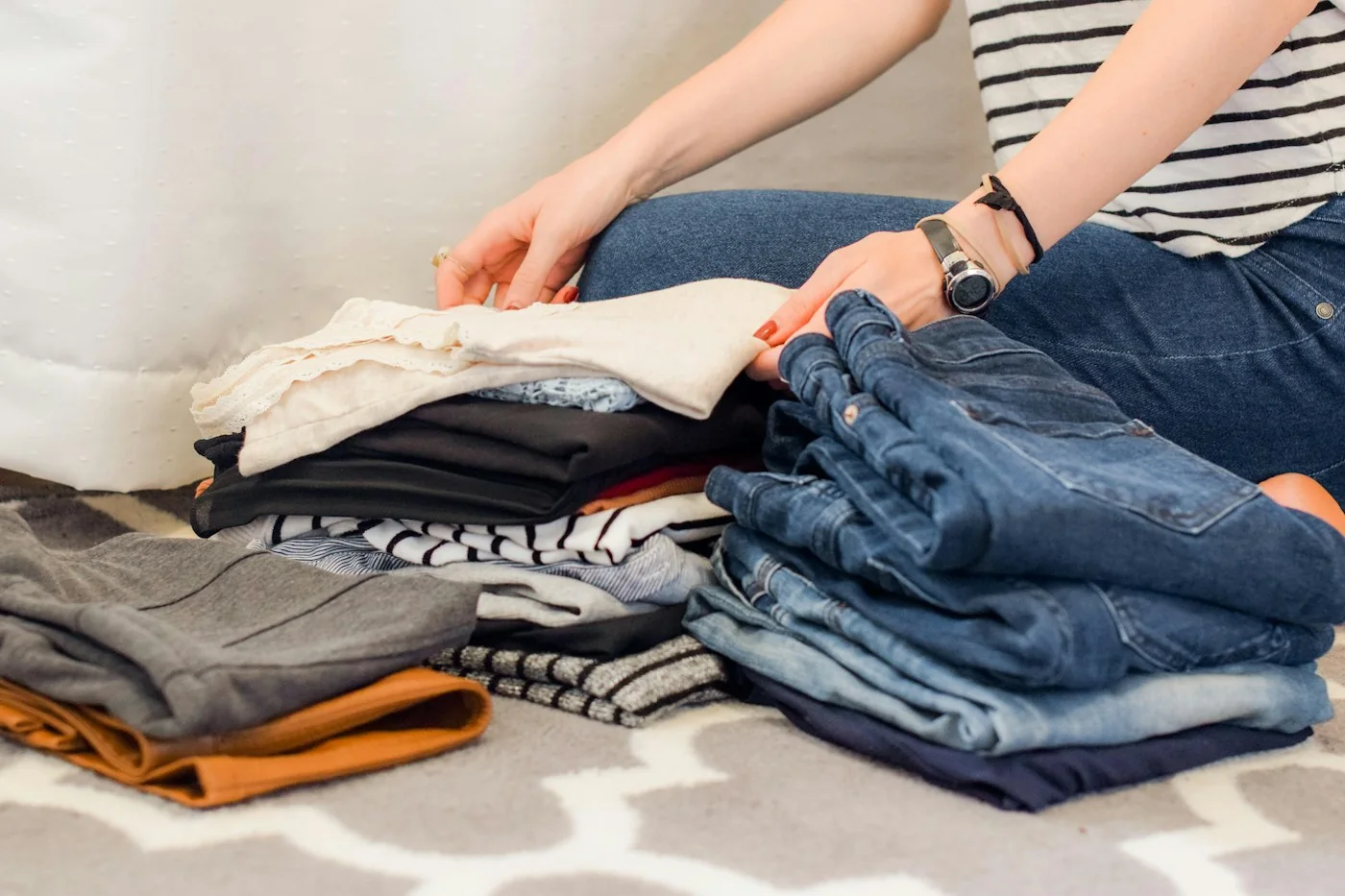
Check pockets, body-contact areas and folds for soil or food traces as well as damage. Follow the garment's permitted cleaning process before longer storage where needed. A pleasant fragrance is not evidence that an item is clean or pest-free.
Woolmark's general care guidance emphasizes preparation before long-term storage, and conservation guidance likewise favors clean, dry textiles. Their recommendations still require attention to the actual garment, especially a fragile or decorated piece.
Allow it to dry completely before enclosure. Sealing retained moisture creates a different problem. Preparing for pests should not replace one avoidable risk with another caused by hurried washing and packing.
Make the storage area inspectable
Clean suitable accessible surfaces and remove accumulated lint and debris as appropriate. UC IPM highlights undisturbed areas and crevices where materials can collect. Follow equipment instructions and use care around fragile textiles rather than applying aggressive cleaning directly to them.
Arrange containers so they can be reached without emptying an entire room. A box that cannot be inspected easily may remain closed long after a warning sign appears. Labels should identify useful contents and any item needing special handling.
Look at neighboring stored materials too. A damaged sweater may not be the only relevant object. If the issue appears extensive or its source is unclear, professional assessment can be more useful than treating one visible hole in isolation.
Choose exclusion without assuming a guarantee
A suitable, well-closed container can provide a physical barrier for clean, dry, inspected items. Its effectiveness depends on its condition and use. A loose decorative cover is not the same as an appropriately sealed enclosure.
Do not seal a suspect item among unaffected garments and assume the container has solved the problem. It may contain the issue rather than eliminate it. Keep suspected material separate while obtaining advice about identification and compatible treatment.
Delicate or historic objects need particular attention to packing materials, support and environment. A container chosen for everyday wool clothing is not automatically suitable for an heirloom simply because both contain wool.
Keep cedar and scent claims in proportion
Sources make different claims about cedar, but UC IPM describes important limits involving effectiveness, insect stage and loss of activity over time. A cedar smell is therefore not evidence of complete protection against an existing infestation.
Do not treat lavender, herbal oils or another fragrance as a verified substitute for inspection and exclusion. A substance can also affect the textile or its storage materials. Natural origin does not independently establish either efficacy or compatibility.
Pesticide products have specific uses and restrictions. Follow applicable labels and professional advice where needed; do not scatter chemicals through a mixed wardrobe as a general precaution. This article does not provide a pesticide, heat or freezing treatment recipe.
Respond to a suspected problem with a clear brief
Record the affected items, observed signs, location and approximate timeline. Explain what cleaning or treatment has already occurred. Those details help a pest professional, garment specialist or conservator evaluate the next step without relying on an assumed diagnosis. Include whether neighboring stored materials show similar signs.
Keep the preservation needs of the textile visible. A process capable of controlling a pest can still damage an incompatible garment. Historic, weakened and decorated pieces may need coordination between relevant specialists.
The useful storage routine is modest and observable: prepare appropriate items, keep them fully dry, reduce accessible debris, use suitable enclosure and inspect. If evidence suggests an infestation, move from routine prevention to identification and a compatible plan. No scented block or tidy cupboard can stand in for that distinction.