Packing away a season's clothes is a chance to prevent small problems from becoming hidden ones. A stain, loose seam or damp cuff that is easy to notice today may be forgotten by the time the box is reopened. Good seasonal storage therefore begins before the container is chosen.
Work in a sequence: decide what belongs in storage, prepare each item, choose support and location, then record what you packed. The final arrangement should make inspection and retrieval possible rather than simply fitting the largest number of garments into the smallest space.
Decide what you expect to use again
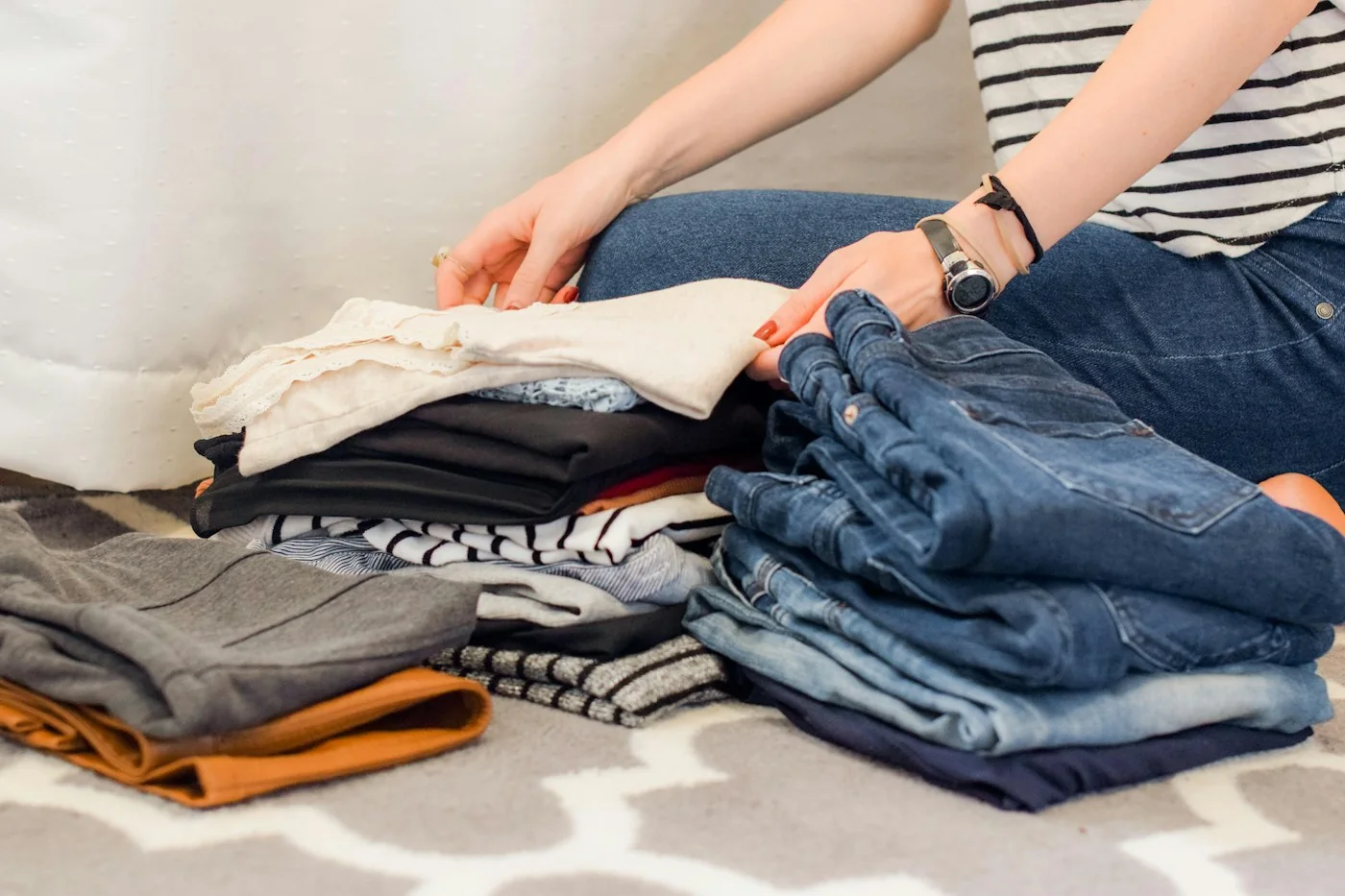
Lay out one manageable group and separate it by condition and purpose. Check whether each item fits, has a likely use next season and can be stored without an unresolved repair. A garment awaiting a missing button belongs in a repair queue, not an anonymous seasonal box.
Keep doubtful decisions visible. If something has gone through several seasons untouched, packing it again may only postpone the choice. Consider a real alternative use, repair or suitable disposal route without assuming every unwanted item is fit for donation.
Identify delicate, heavy, historic or unusually decorated pieces separately. They may need different support from everyday shirts. A single container type does not have to serve the entire wardrobe.
Clean and dry according to the item
Inspect the actual care label before cleaning. Storage is not a reason to use a stronger treatment than the garment permits. Pay attention to body-contact areas, spills and pockets, and avoid treating a fresh scent as proof of cleanliness.
The Sewing and Craft Alliance and Woolmark both emphasize preparing garments before longer storage. The Canadian Conservation Institute likewise describes clean, dry conditions as important for preserving textiles. Their guidance does not imply that every item needs identical washing.
Let the whole garment dry completely, including thick edges and linings. Do not pack a piece merely because the outer face feels dry. If cleaning or repair needs professional help, resolve it before the item disappears into a closed container.
Choose support before choosing compression
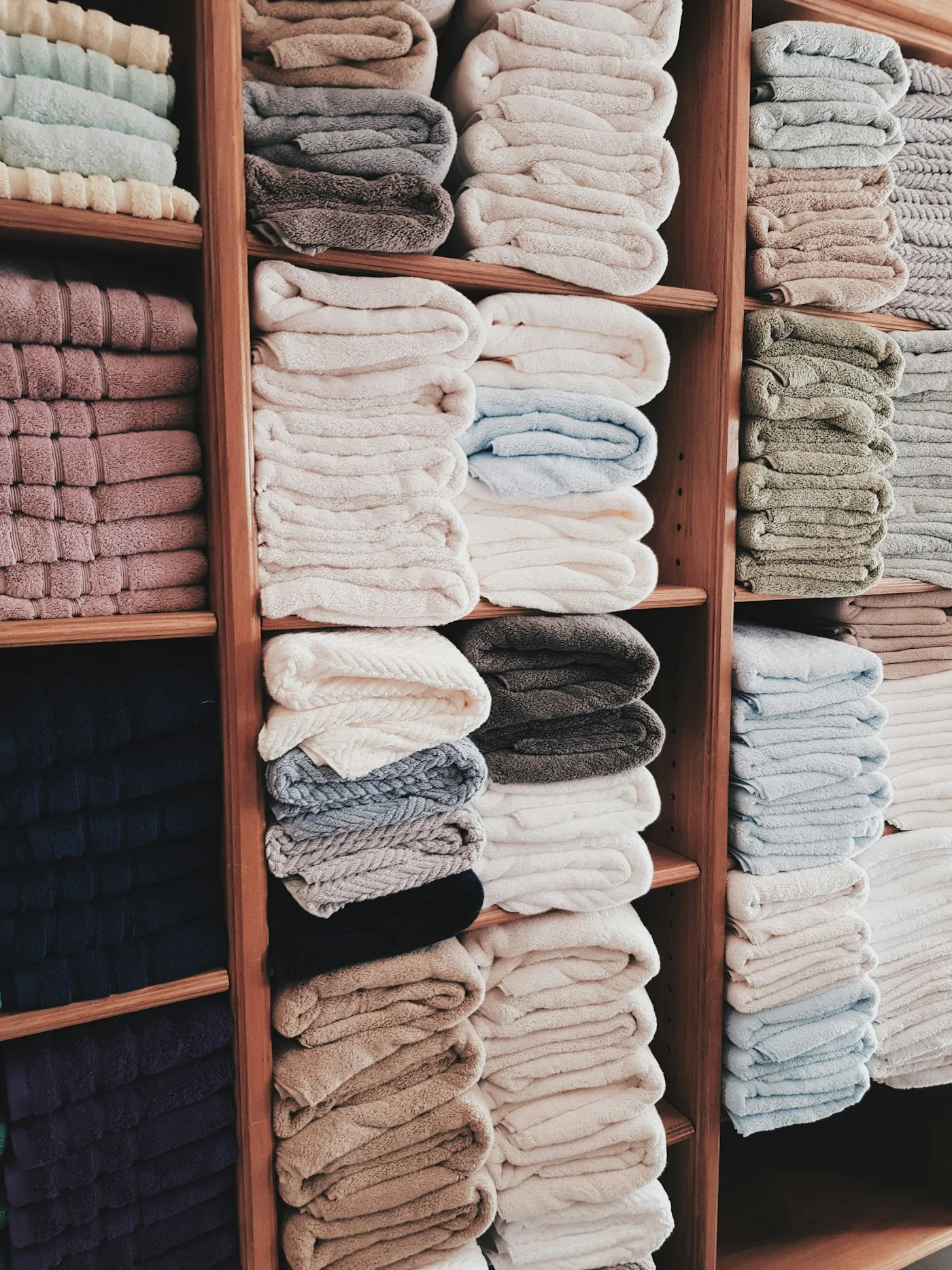
Fold garments that benefit from distributed support, and use suitable hangers for pieces whose shape and condition permit hanging. Protect delicate surfaces from rough fastenings on neighboring items. Avoid making one heavy piece press on fragile decoration beneath it.
Vacuum bags can save room for some robust items, but compression is not a universal improvement. Woolmark notes limits involving delicate clothing and trapped moisture. A smaller packed volume does not itself establish better care.
For valued older textiles, ordinary household bags and tissue may be unsuitable. Conservation packing materials have specific properties, and a product described as archival should be evaluated for the intended object. Ask for specialist advice when condition or significance warrants it.
Inspect the place where the container will live
Check the storage location for a leak, persistent dampness, direct sun and large changes in conditions. The neatest box cannot correct an unsuitable room. Basements, attics and exterior-wall cupboards deserve particular observation rather than automatic approval or rejection by name.
Look for dust, pests and rough surfaces before loading the area. Keep the arrangement accessible enough to inspect. A sealed box behind several layers of furniture is difficult to check even if the container itself is appropriate.
Do not use scented blocks as a substitute for cleaning and inspection. Sources vary in their claims about cedar, while conservation and pest guidance identify important limits. Avoid assuming a pleasant smell proves the contents are protected from insect damage.
Label for retrieval and inspection
Record what the container holds, including useful distinctions such as garment size, type or intended season. Mention a special handling requirement where it would otherwise be forgotten. A label saying winter is less useful than one identifying the actual contents.
Choose an inspection opportunity that fits your household and the condition of the space. There is no universal interval that guarantees protection. The important point is to reopen and observe, particularly after a known leak, a pest sighting or a change in the storage environment.
At inspection, look for new marks, odor, moisture and signs of damage without shaking the contents through the room. If something appears affected, separate the issue and seek appropriate advice. Do not spray an unidentified treatment throughout a box of mixed fabrics.
Reopen the system before the weather demands it
Bring stored clothing back into use with enough time to assess it. Check fit, fastenings, surface condition and the care label again. Let a garment rest on suitable support rather than hanging every piece immediately to remove packing folds.
If you find a recurring problem, change the cause before repeating the packing routine. Dampness points toward the environment or incomplete drying; hard creases may reflect compression; snags can identify incompatible neighbors or rough hardware.
Seasonal storage works when the next opening is straightforward: useful garments, known contents and no hidden unfinished jobs. The container is only one part of that result. Preparation, support, location and the ability to inspect matter more than how tightly the box can be filled.