If a cupboard smells damp, packing the clothes more neatly will not resolve the problem. Moisture can come from the textiles, the storage space or both. Before choosing a bag, box or scented product, work out which part of that system needs attention.
This is a storage assessment, not a mold-removal procedure. If you find visibly affected material, a significant leak or a persistent unexplained damp area, pause routine packing and seek appropriate help. General fabric-care advice cannot diagnose a building problem or determine a safe remediation method.
Inspect the empty space
Remove enough contents to see the shelf, back wall and surrounding surfaces without spreading questionable material through the room. Look for a known leak, staining, condensation, a musty odor or a surface that remains damp.
Consider what changed. New plumbing work, wet outdoor clothing, a blocked air path or moving storage against a colder wall can all be useful observations to discuss with the appropriate professional. They are clues rather than a diagnosis from one sign.
Do not assume a cupboard is suitable because it is inside a heated home. Local conditions can differ from the center of the room. Conversely, a particular room name is not enough to prove a problem; observe the actual location and its history.
Check whether the moisture arrived with the cloth
Thick cuffs, folded seams, towel edges and garment linings can remain damp after the exposed surface feels dry. Check these areas before packing. A rushed return from the drying rack can place retained moisture inside a tightly filled shelf.
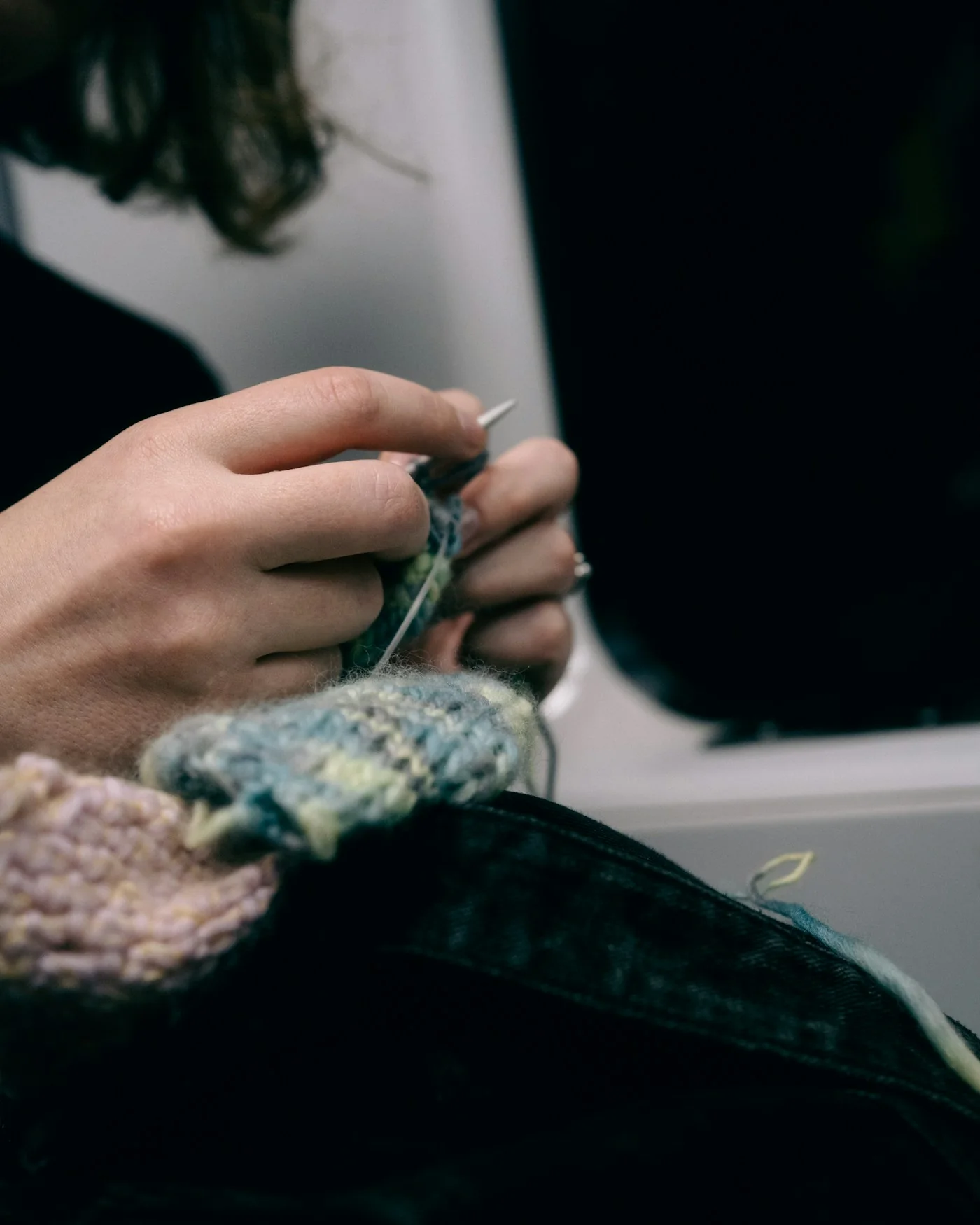
Follow each item's permitted drying method and give it enough time. Woolmark's guidance explains flat support for wet wool knitwear and warns against direct heat. The solution to slow drying is not automatically a hotter surface or stronger sunlight.
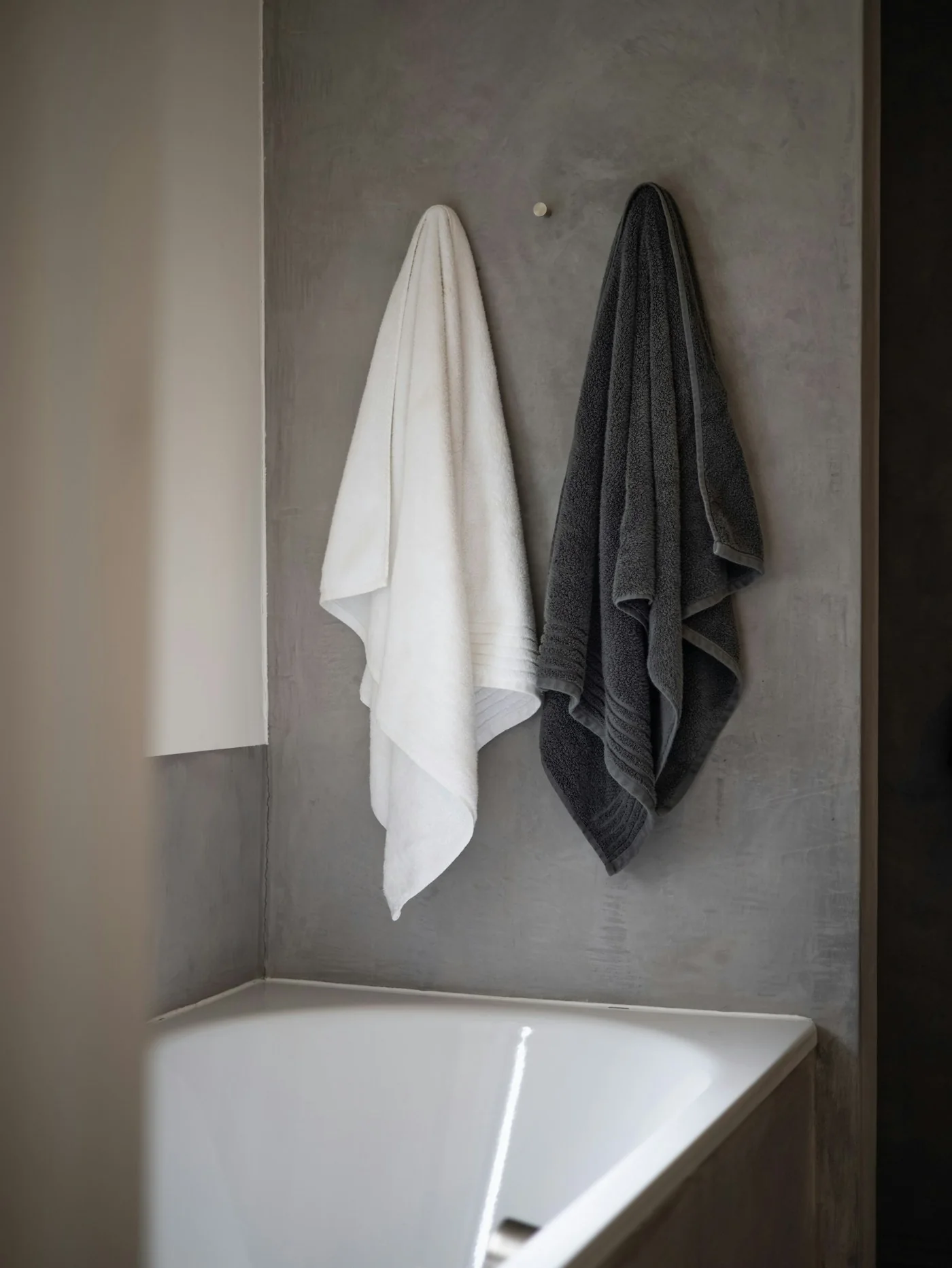
Keep recently used towels and wet outerwear out of the clean storage rotation until they have been handled appropriately. A cupboard should not become an improvised drying enclosure simply because a door hides the contents.
Address the cause before the container
The Canadian Conservation Institute describes excess humidity and poor air circulation as risks to textiles, including mold and deterioration. The useful household response is to identify and address the source, rather than adding fragrance to conceal it.
A leak needs repair. A garment that has not finished drying needs a suitable drying process. A persistently unsuitable storage area may need a different use until its conditions are understood. These are different jobs, so one product cannot be presumed to solve them all.
Avoid promising that a small desiccant sachet will correct an ongoing damp environment. Its usefulness depends on capacity, enclosure and maintenance. If you use one, follow the product's directions and keep it from spilling or contacting fabric incompatibly.
Choose an enclosure for its actual purpose
A bag can provide a physical barrier or reduce dust, but it can also retain moisture already inside. Woolmark notes that vacuum packing has limits for delicate clothing and can trap moisture. Saving space does not prove the enclosure is suitable for every garment.
Breathable cloth storage can have different advantages and limits from a sealed container. Neither label replaces a clean, dry starting point. Inspect closures, contact surfaces and the intended use of the product.
For historically important textiles, conservation guidance specifies materials more carefully than ordinary household packaging. Do not assume all cardboard is acid-free, all tissue is appropriate or any plastic bag matches a named conservation material. Ask for object-specific advice where the consequence of error is high.
Keep observations separate from a safe-treatment claim
A musty smell is a reason to investigate; it does not establish the organism, extent or appropriate treatment. Likewise, a visible mark is not enough to identify mold rather than another stain. Avoid brushing, spraying or shaking questionable fabric as a diagnostic exercise.
The Canadian Conservation Institute treats mold on textiles as a situation needing professional advice and treatment. Valuable, fragile or heavily affected items require particular care. Personal health circumstances can also change what handling is appropriate.
Do not apply a recipe intended for a hard household surface to clothing or an heirloom. A cleaner can affect dyes, finishes and fibers, and an apparent cosmetic improvement does not verify that the underlying issue has been resolved.
Reopen storage with an inspection plan
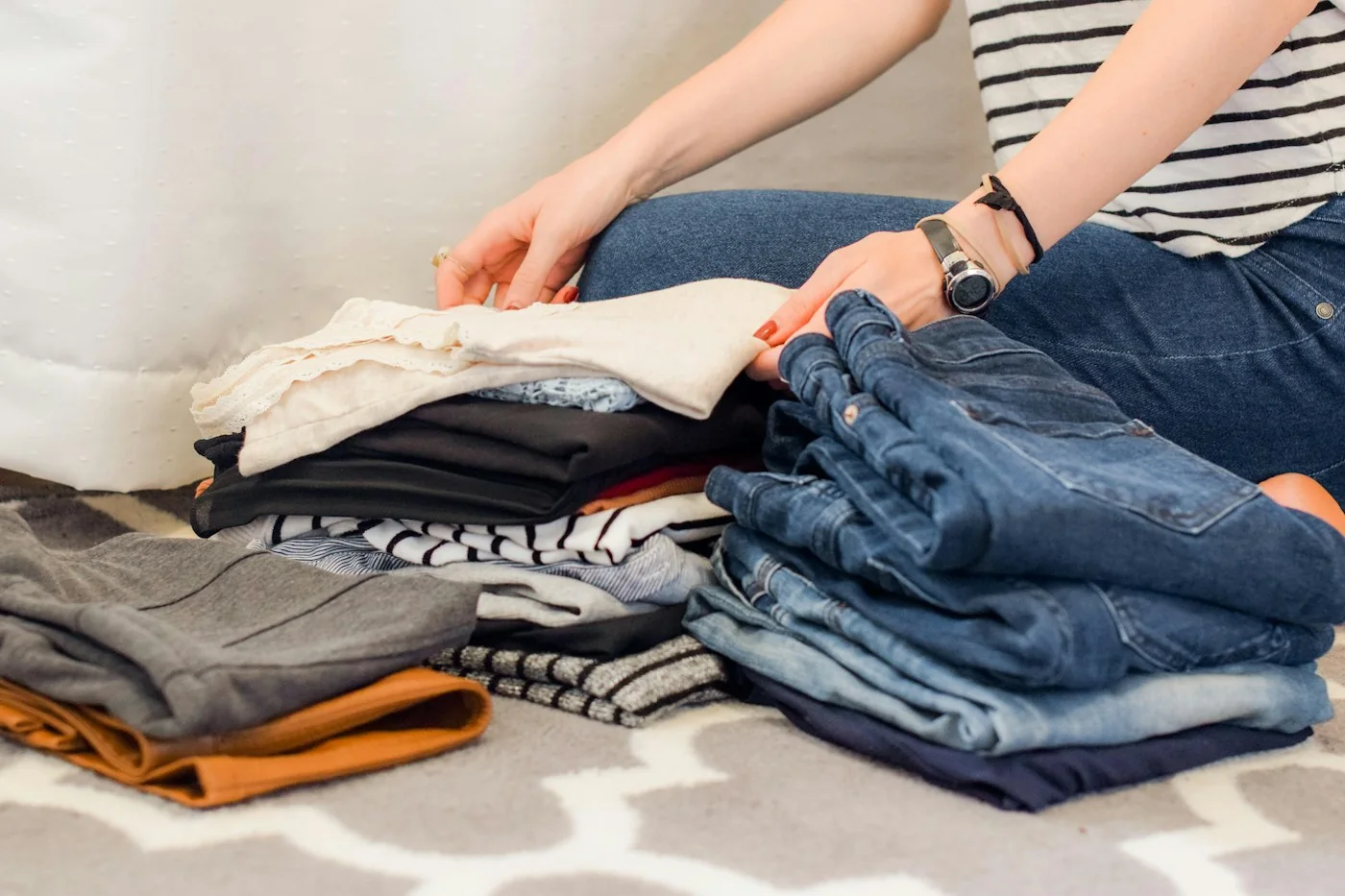
Once the cause has been addressed and suitable items are clean and fully dry, return them with enough space to inspect and retrieve them. Avoid packing the back of the cupboard so tightly that future changes remain hidden.
Check the same locations that previously showed trouble, particularly after wet weather or another relevant event. Record what you observe instead of treating a single dry day as permanent proof. An inexpensive monitoring device can add information, but it does not replace finding and fixing the cause.
Good storage begins with conditions the textiles can tolerate. The right outcome is not merely a fresh-smelling box: it is a suitable space, fully dry contents, compatible packing and a way to notice when those conditions change. If any of those remains uncertain, leave the affected step unresolved rather than packing over the question.