A tablecloth needs to fit the actual table in the way you use it. A size that looks attractive in a listing can hang awkwardly around chairs, miss an extended leaf or require a care routine that does not suit frequent meals.
Start with furniture measurements and a practical drop, then assess fabric and care. Keeping those questions separate avoids choosing a material first and trying to make an available size serve a different table.
Measure the table in its working arrangement
Measure the tabletop edge to edge, using one unit throughout. For a rectangle or square, record length and width. For a round table, record diameter. Include leaves if the cloth is intended for the extended arrangement.
Check the shape rather than assuming every rounded table is a simple oval. Custom or unusual outlines may need additional measurements or a template requested by the maker. A maximum length and width do not describe every curved edge.
Record the dimensions clearly before shopping. A photograph can help communicate shape, but it should not replace measured data. Avoid estimating from the distance between chair legs or the base rather than the surface the cloth covers.
Choose a drop by use, not a universal rule
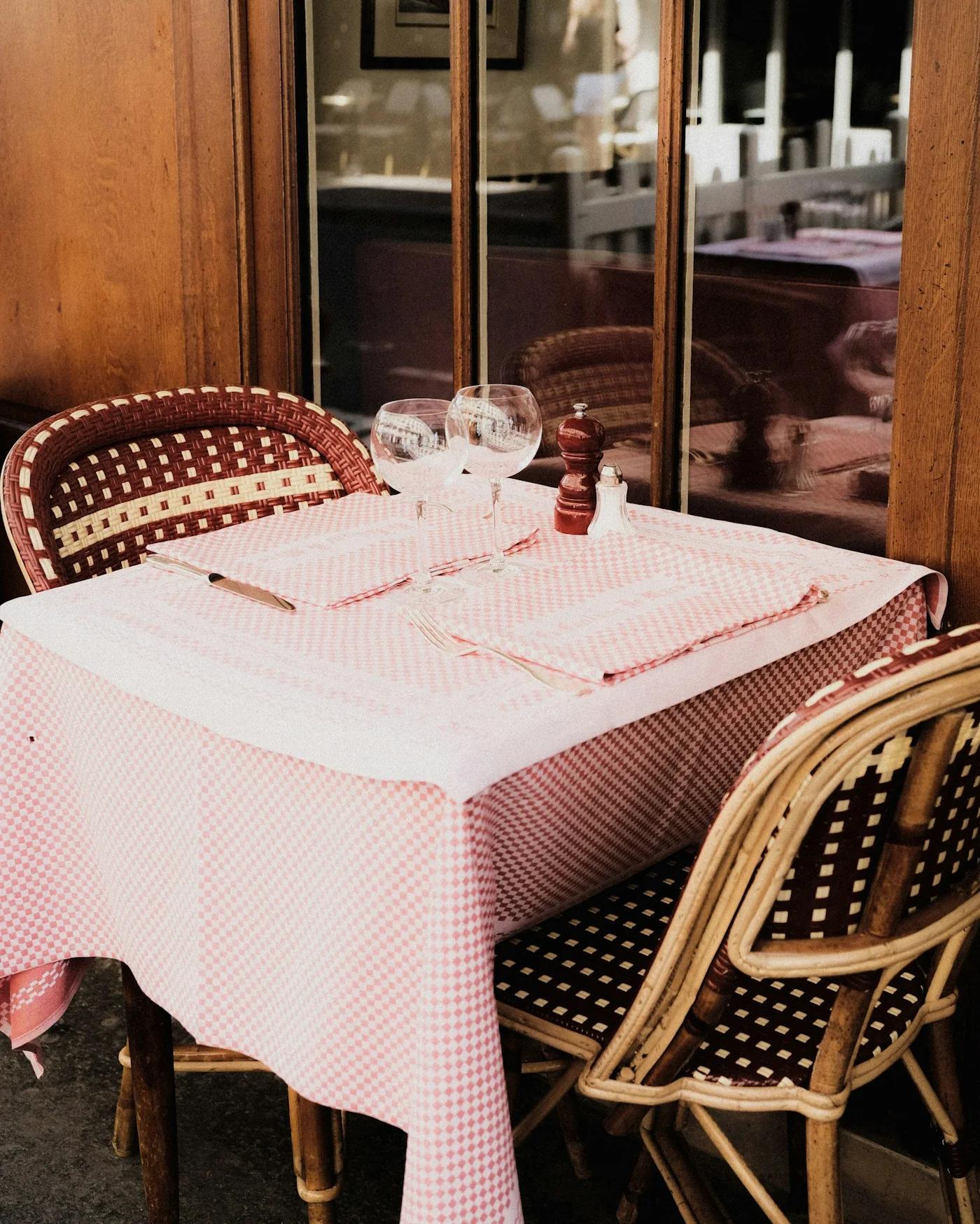
Drop is the amount extending beyond the table edge. A short everyday drop and a long decorative one serve different purposes. Consider seating, movement, table height and the likelihood of cloth catching or being pulled.
There is no single formal length that every household must adopt. Drape a suitable existing cloth or sample to visualize the intended amount without treating that mock arrangement as a finished fit guarantee.
Think about the people and activities around the table. A cloth used for crafts, a crowded meal or a display has different practical demands. Appearance matters, but it should be assessed in the actual setting rather than only from a standing photograph.
Add the drop on both sides
For a straightforward rectangular table and an even drop, add twice the desired drop to both tabletop dimensions. A table 140 centimeters long and 80 centimeters wide with a 20-centimeter drop needs a nominal cloth size of 180 by 120 centimeters before other product-specific considerations.
For a round table, add twice the drop to the diameter. A 100-centimeter tabletop with the same 20-centimeter drop gives a nominal 140-centimeter cloth diameter. These are geometry examples, not universal purchase sizes or shrinkage allowances.
The DustyLinen measuring guide explains the same two-sided addition. Where the chosen product uses rounding, hems, special corners or a different finished-shape convention, confirm the maker's measurements rather than assuming the simple calculation answers every detail.
Compare fabric behavior separately
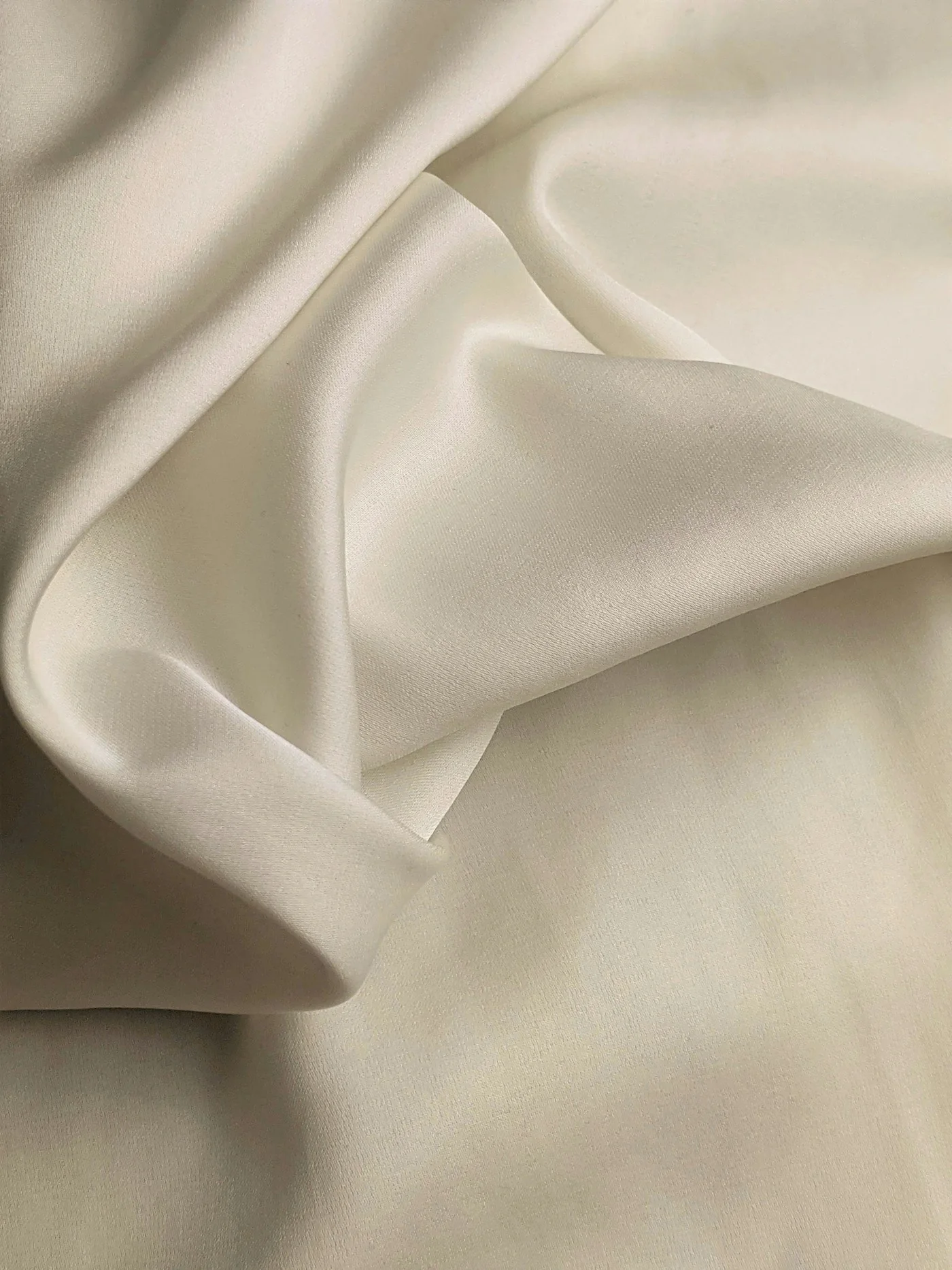
Fiber, weave, weight and finish affect how the cloth falls and feels. A composition statement such as cotton or linen does not independently establish drape, stain resistance or permitted cleaning. Inspect a sample where practical.
Look at coverage under lighting similar to the intended setting. A pale cloth on a dark tabletop can show through differently from the same cloth on a light surface. A styled photograph may conceal that issue with additional layers.
Notice whether the fabric forms fluid folds or holds broad shapes at the corners. The effect changes with drop length and construction. Do not interpret a heavier specification as automatic quality or suitability for every table.
Make cleaning part of the fit decision
Read the finished cloth's instructions for washing, drying and ironing. Consider whether the size fits your equipment and drying space. A large item can be manageable in use but inconvenient during the process needed to return it clean.
Ask whether the listed dimensions are finished dimensions and what dimensional change the maker allows under the recommended care. Do not add an arbitrary shrinkage percentage taken from a different product or fiber category.
Decoration, coatings and trims can change care requirements. An easy-wipe surface and an untreated fabric may offer different tradeoffs; neither description should be assumed from appearance alone. Confirm the actual construction before choosing a treatment.
Check the result in place
Center the cloth and compare the visible drop along the edges. Check chair access, corners and the approach to the table before placing hot or spillable items on an uncertain arrangement. The rectangular and round calculations earlier are starting geometry, not proof that an unusual outline will fit.
If the result looks wrong, recheck the table configuration, both dimensions, units and the manufacturer's finished-size convention. Keep the labels and return information available before altering a new cloth. A mismatch caused by an extended table leaf needs a different response from uneven centering.
For valued older linen, consult the Canadian Conservation Institute's Basic care guidance about condition before cleaning or routine use. That preservation advice comes from its care page, not merely a fiber description. A sound modern substitute can provide everyday coverage while protecting fragile original material.
The practical selection combines measured furniture, a workable drop, preferred drape and a care process you can provide. Record those four answers so the next purchase is based on your table rather than another styled photograph.