A towel's surface is part of its structure. Raised loops, a waffle-like grid and a relatively flat woven face do not simply create different looks; they present the cloth differently during use and drying. But those visible structures still do not establish a universal absorbency ranking.
Compare the actual towels, including their size, fiber, mass and care instructions. A small light waffle towel and a large heavy terry towel differ in more than weave. A useful choice starts with how you intend to use and dry the item.
Recognize loops before judging plushness
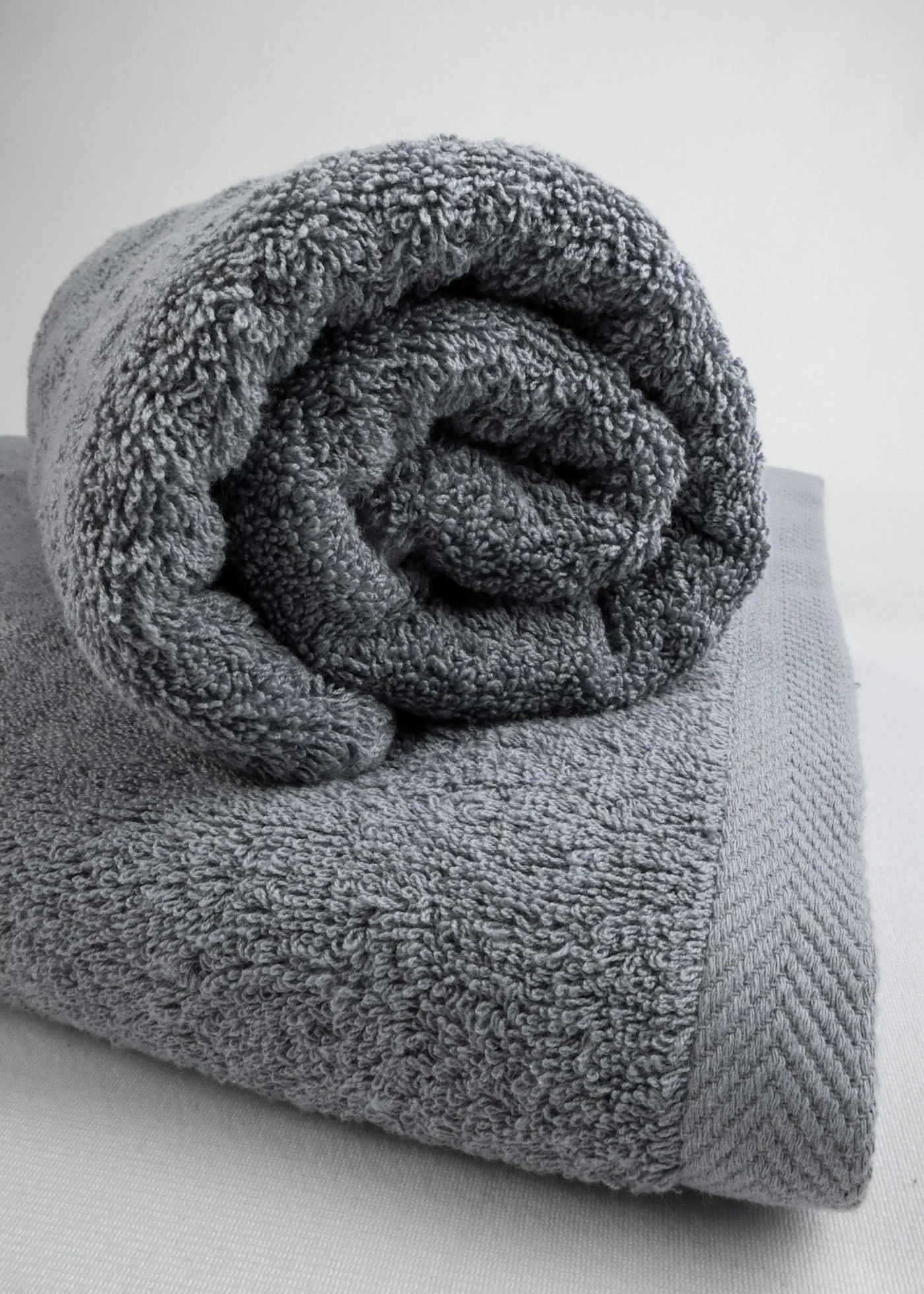
Terry towels commonly have a looped pile rising above a ground structure. Look closely at the surface and the reverse, noticing whether loops appear on both sides and how dense or long they look. Avoid pulling one to test the construction.
The loops create a different surface from a flat cloth, but appearance alone cannot quantify water uptake. Yarn, fiber, finishing and the amount of material all contribute. A very plush hand is therefore not a complete absorbency specification.
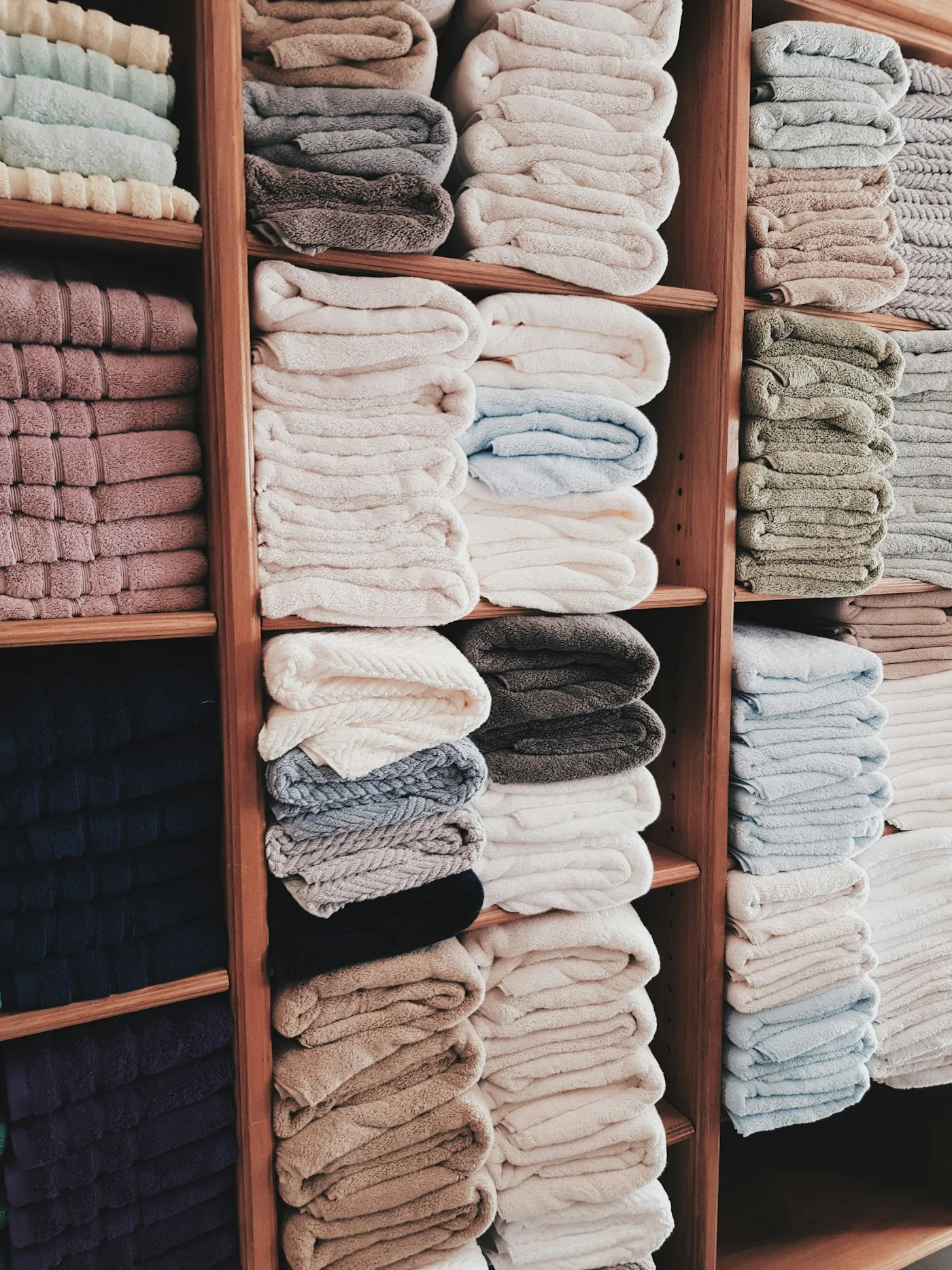
CottonWorks' textile material library includes multiple woven and knitted terry constructions. That variety is a reminder that terry names a family of surface structures, not one identical product repeated in different colors.
Read a waffle surface as a pattern
A waffle-style towel has a textured grid or cellular appearance rather than the same dense field of exposed loops. Examine how deep the texture is and whether the face and reverse differ. Product descriptions can use waffle broadly, so inspect the actual cloth.
The raised and recessed areas affect hand and bulk. They do not independently tell you how fast the towel will dry in your bathroom. Room conditions, hanging arrangement and the total amount of wet material remain important.
If a seller gives a drying comparison, look for the method and the products compared. A claim based on one lightweight sample cannot establish the behavior of every towel sold under the same structure name. Without comparable evidence, treat precise drying-time promises cautiously.
Flat weave has its own practical questions
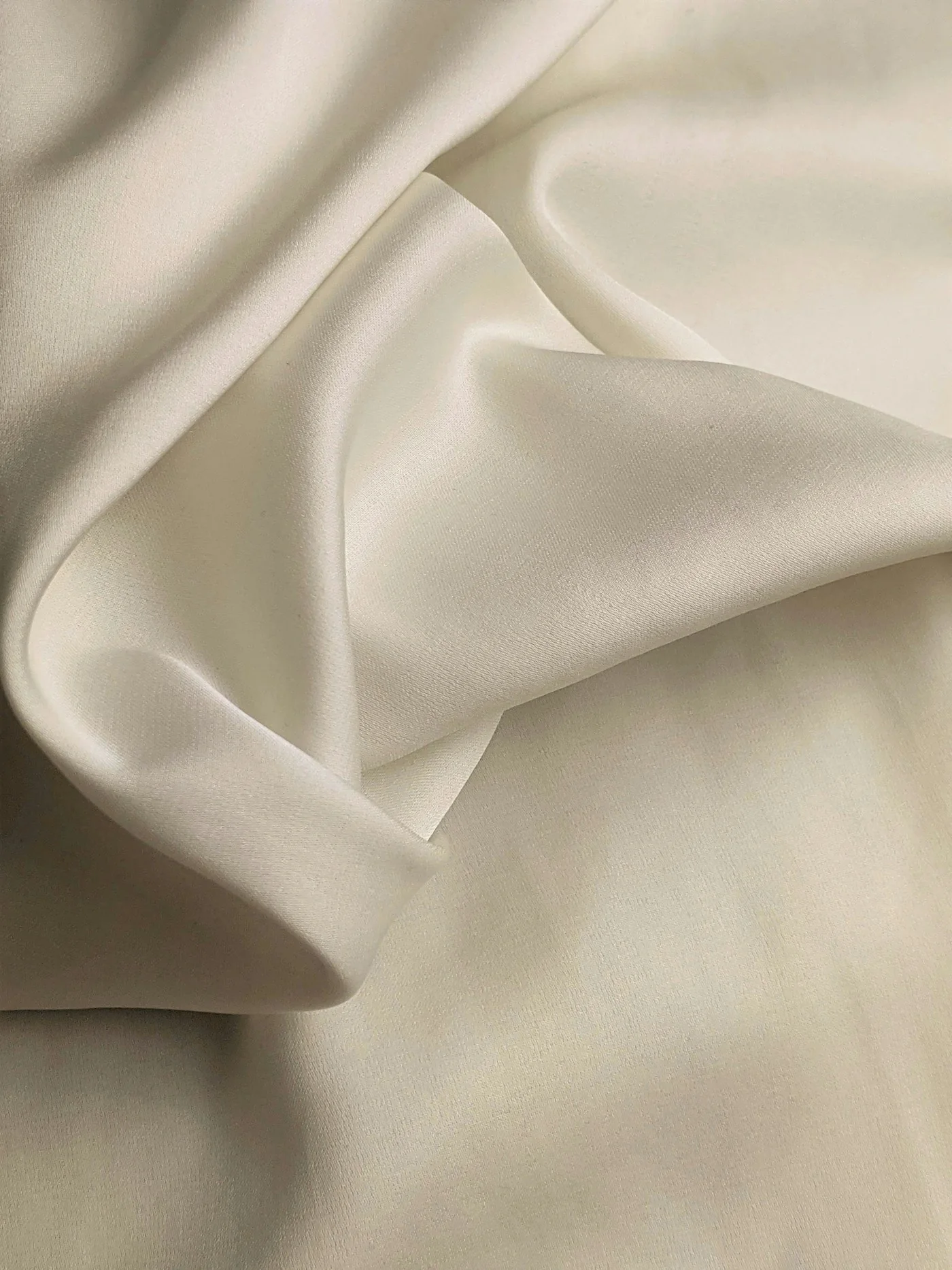
Choose the task before the texture. For a travel bag, compare the whole towel's dry weight and folded dimensions, including fringe. A flatter cloth may occupy less space than a much thicker pile towel, but actual size can reverse that comparison.
For a bathroom, compare coverage and whether your rail lets the towel open sufficiently between uses. Terry loops, a waffle-style grid and a flat face are useful structural descriptions; none supplies a measured drying time for your room.
For wiping in a kitchen, check the stated intended use, surface and care rather than assuming a small bath towel and a purpose-made cloth are interchangeable. Decoration and loose fringe can change snagging and handling.
Record one decisive requirement for each situation: packed volume, usable coverage or the intended wiping job. Then compare candidates meeting that requirement. This task-based shortlist is more informative than assigning every terry, waffle and flat towel a universal absorption ranking.
Separate mass from performance
Where a manufacturer lists grams per square meter, the number describes mass per area. It is not the same as the towel's total weight unless its dimensions are included. A larger towel can weigh more even with a lower mass per area.
The number also does not directly report absorbency, softness or drying time. Two constructions can distribute similar mass differently. Use it to understand one aspect of the product, then keep other performance claims separate.
If your priority is a light travel bag, the whole dry towel's weight and packed size may matter most. If your priority is bathroom coverage, dimensions and comfortable use may be more important. Start with the task instead of searching for one winning specification.
Plan how the towel will dry between uses
A towel folded thickly over a small rail has a different drying arrangement from one spread with space around it. Before buying a bulky set, consider the rail or hooks available and how several towels will fit without remaining pressed together.
No structure removes the need to let used textiles dry appropriately. A damp towel placed into a closed cupboard can create problems regardless of whether it is terry or waffle. Keep clean storage separate from the drying stage.
Judge your actual room rather than an idealized product photograph. If drying is consistently slow, examine airflow, spacing and laundry turnaround. Buying more towels may increase reserve capacity without resolving the reason used ones stay damp.
Read care and finish information
Follow the towel's own label for washing and drying. Some manufacturers, including IKEA on specific towel pages, warn that fabric softener can reduce absorption. That product guidance is more useful than assuming the softest-feeling finish is always the most functional.
Avoid turning one care tip into a universal chemical remedy. If a towel seems less absorbent, investigate the products and routine used before adding treatments. Color, decoration and fiber composition can change what the item tolerates.
Choose a towel whose surface, coverage, bulk and care fit the way it will actually be used. Terry, waffle and flat weave give you a vocabulary for comparison. The finished towel and your drying routine decide whether that comparison becomes a practical choice rather than another label-based ranking.