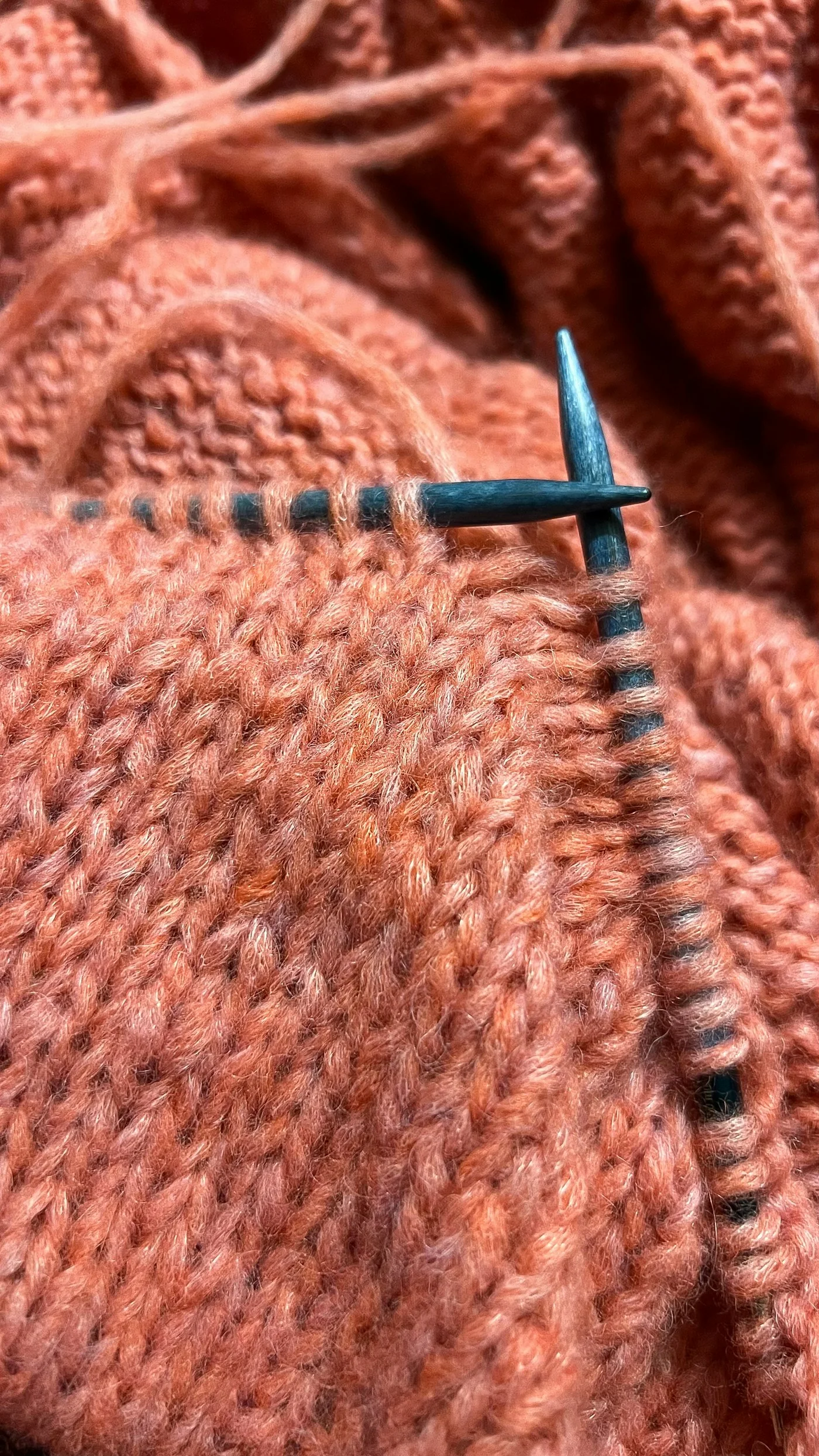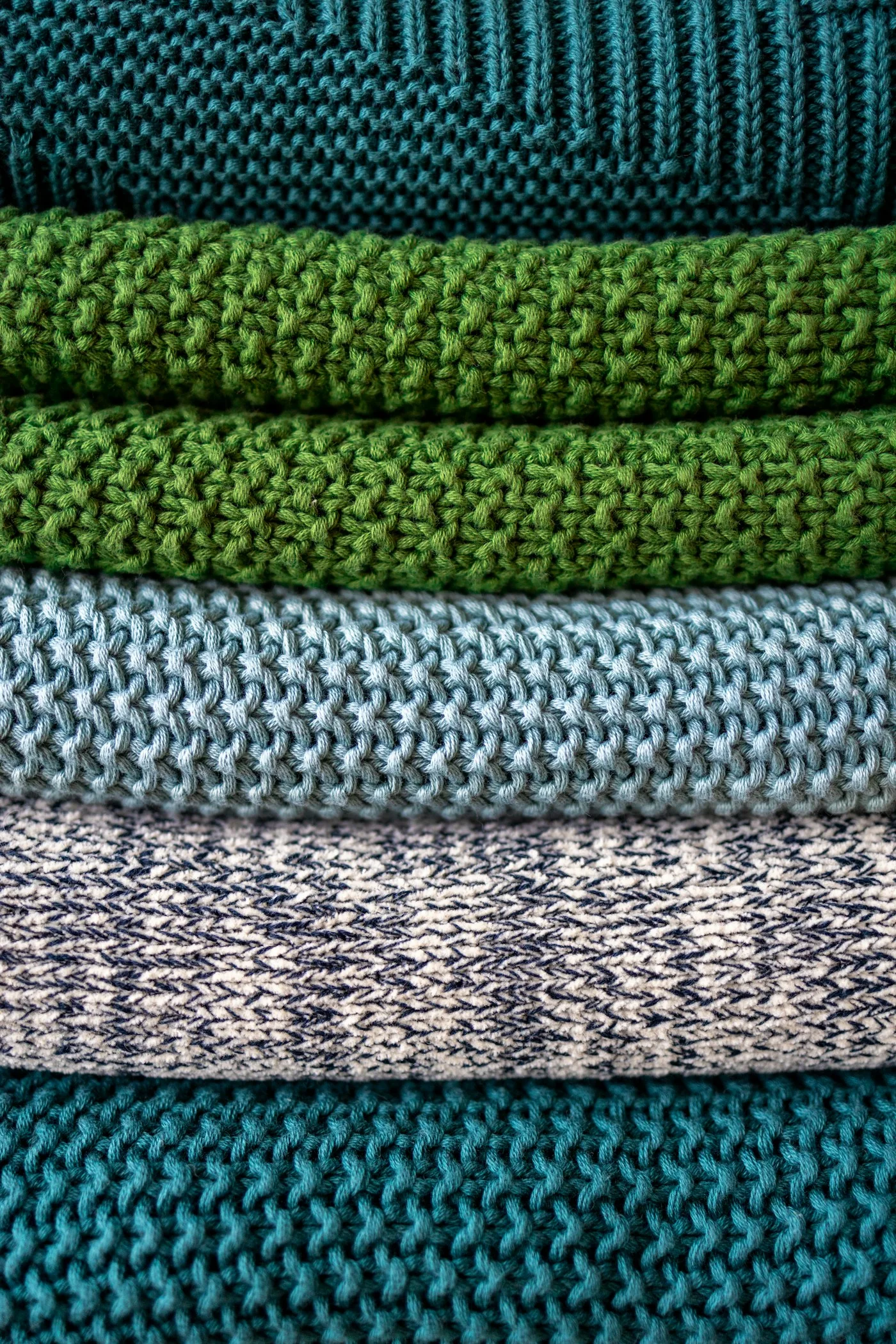
Small balls on a sweater, a soft halo on a brushed fabric and a thin elbow can all look like signs of age. They are not the same condition. Before reaching for a fabric shaver, work out whether you are looking at removable surface material, an intended texture or cloth that is losing substance.
That distinction matters because most depilling methods remove something. They can improve appearance without restoring missing fibers or the strength of worn fabric. A treatment that is reasonable for a sound sweater may be too aggressive for an already fragile area.
Identify what is on the surface
A pill is an entangled ball of fibers on the fabric surface. Woolmark describes rubbing during wear as a cause and notes that frequent contact areas, including sleeves and the sides of a sweater, are common locations.
Fuzz is a looser surface halo rather than a distinct compact ball. Some fabrics are deliberately brushed or raised, so a soft surface is not automatically a defect. Compare a low-contact area with the affected one and consider how the fabric looked when new.
Lint can be foreign material resting on the cloth. A loose pale fiber on a dark shirt does not necessarily belong to the shirt itself. Start with inspection rather than assuming every visible speck calls for cutting or abrasion.
Check the fabric underneath
Lay the garment flat in good light. Look at the surrounding structure and compare it with an undamaged area. Is the cloth thinner, more open or visibly broken? Do you see a hole, a pulled loop or a seam beginning to fail?
Do not stretch the area hard to test its remaining strength. Appearance provides clues, not a reliable tensile measurement. A fabric can be weakened before a hole becomes obvious, especially where abrasion is concentrated.
If the underlying material is thin, removing a surface layer may make the weakness more apparent or worsen it. A repair assessment is more useful than chasing a perfectly smooth finish. Historic or particularly valuable garments deserve professional advice before mechanical treatment.
Choose the least aggressive useful action
For loose lint, use a method compatible with the fabric and its finish, avoiding vigorous rubbing. For a few distinct pills on sound material, Woolmark describes careful manual removal as an option. The key word is careful: pulling a pill hard can also pull the fibers holding it.
A comb or a purpose-made shaver can help with suitable fabrics, but neither is safe for every surface. Read the device instructions, support the cloth on a flat surface and keep folds, seams, buttons and loose loops away from cutting parts.
Test a small, inconspicuous area before treating a visible panel. Check the result closely rather than assuming the absence of immediate damage proves the whole garment can tolerate repeated passes. Stop if the surface catches, thins or changes in an unwanted way.
Keep snags out of the depilling job
A snag is a displaced length of yarn or loop. It is not simply a larger pill. In a knit, the protruding yarn can remain part of the connected structure, so cutting it may turn a cosmetic problem into a hole.
Examine the area from both sides. If you cannot distinguish a snag from attached surface fibers, leave it intact and seek guidance appropriate to the construction. A close-up photograph can help a repairer understand what you are seeing.
Likewise, do not shave decorative pile, embroidery or an intentionally textured yarn merely to make it resemble a smooth fabric. The intended surface is part of the item, and removing it is a permanent alteration rather than ordinary tidying.
Reduce the repeated contact
Pilling is influenced by more than one factor, including fiber, yarn, construction and wear. Woolmark explicitly treats it as a complex phenomenon. Avoid a promise that one purchase choice or care trick will eliminate it permanently.
Instead, look for a pattern. Does a bag strap rub the same shoulder? Does an armrest contact the same sleeve? Can you change that contact without making the garment impractical to wear? Small changes can target the actual source of repeated abrasion.
Follow the care label when washing. Turning suitable wool garments inside out is among Woolmark's suggestions, but it is not permission to use an otherwise incompatible cycle. Washing with rough hardware or overloading a machine can add avoidable contact.
Decide what a good result looks like
The target is a wearable garment in sound condition, not the removal of every visible fiber. A modest amount of surface change may be an acceptable part of use. Repeatedly shaving a favorite item to chase a new-looking finish is not automatically the best way to keep it.
After any treatment, inspect the area again in the same light. Check for thinning, caught yarns and uneven texture. Put the device away once the useful improvement has been achieved rather than continuing until the fabric becomes perfectly uniform.
If pills return quickly, consider the contact pattern and construction rather than escalating immediately to a harsher tool. If the cloth is wearing through, move to a repair or retirement decision. Better diagnosis tells you whether to tidy the surface, preserve the texture or protect the remaining fabric.