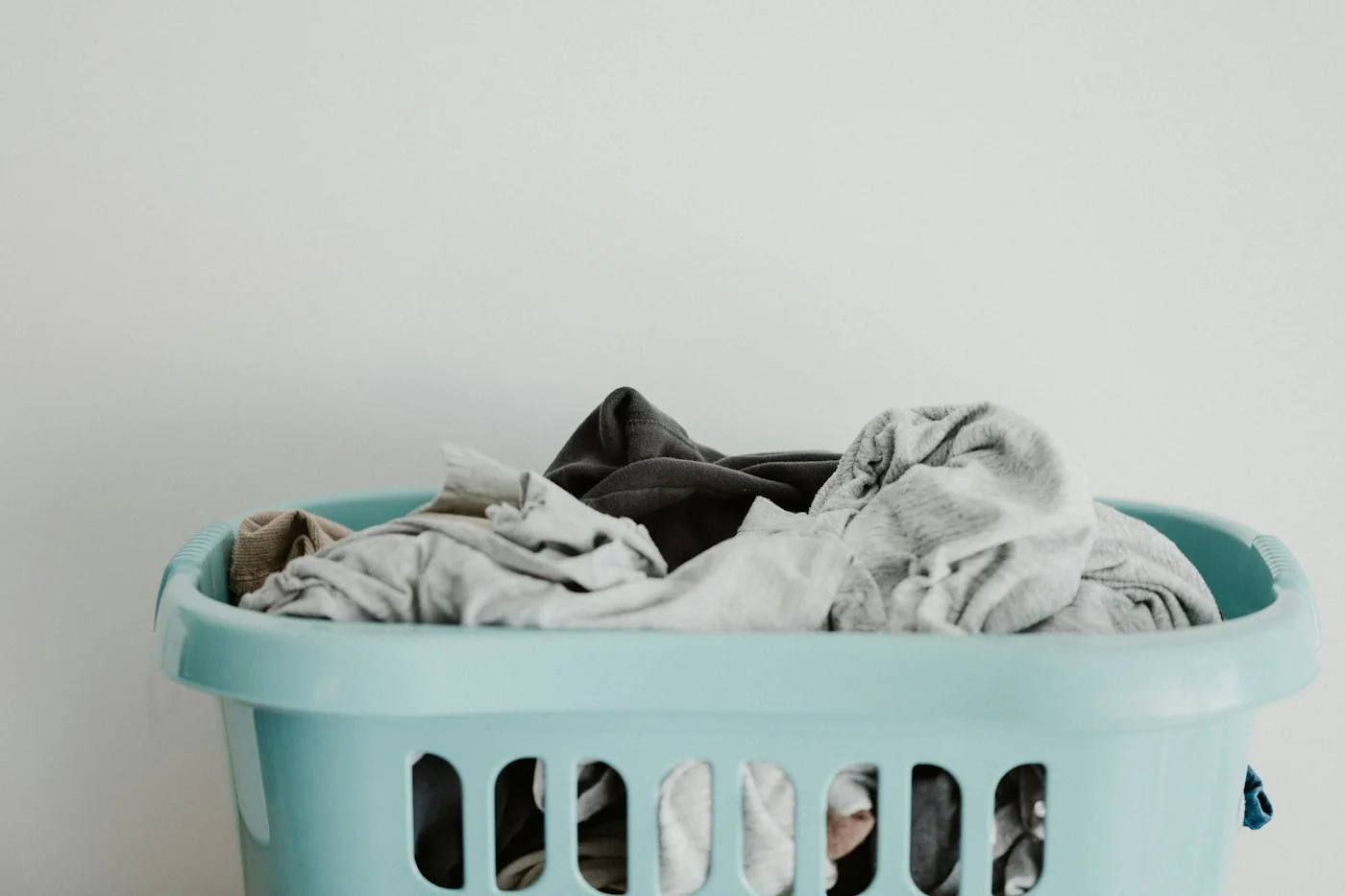
A mesh laundry bag can keep small pieces together and reduce some direct contact with other items. It does not turn an incompatible washing process into a safe one. The garment inside still experiences water, product, movement and the selected temperature.
Use the bag as one component of a suitable routine. Read the textile label, the bag instructions and the appliance guidance before deciding what belongs inside. Containment is useful only when the surrounding process also makes sense.
Understand the protection being offered
A mesh enclosure separates its contents from some snagging surfaces and can make small items easier to find after washing. Different designs use different mesh, shapes and closure protection, so inspect the specific product rather than assuming every bag performs identically.
Brabantia's wash-bag description, for example, identifies a zip with a covered pull and an intended use for small or delicate items. Those are features of that design, not proof that any mesh pouch is suitable for every garment.
A bag does not independently preserve a structured garment's shape, guarantee colorfastness or prevent all abrasion. If the textile is not machine washable, placing it inside a protective-looking container does not remove that restriction.
Choose enough room for the contents
Select a bag sized for the intended item and its instructions. Overfilling can prevent the contents from moving or rinsing as the process expects. One large bag tightly packed with unrelated garments is not automatically equivalent to several appropriately used smaller ones.
Consider shape as well as capacity. Structured small items may need a design intended for them, while loose accessories can have different requirements. Do not fold a delicate object sharply simply to make it fit an available pouch.
Keep compatible items together. A pale item and a strongly colored one can still interact through the water even when enclosed. Mesh permits the wash process to reach the contents; it is not a barrier against every dissolved material.
Inspect the closure and surface
Check seams, mesh openings and the zip before use. A damaged bag can expose loose thread or hardware and introduce the contact you hoped to prevent. Remove it from service if its condition makes the intended protection doubtful.
Use the closure as directed and place the pull under its cover where the design provides one. Do not improvise with a sharp pin or other fastening that could damage the bag, garment or appliance.
Check for rough labels or trapped debris inside. A clean-looking exterior does not establish that every contact surface is suitable. Turn or open the bag sufficiently to inspect it without dragging an item across a rough closure. Repair or replace a failing closure before loading another wash.
Keep the textile's limits in charge
Read the permitted washing temperature and mechanical-action requirements. GINETEX explains those as separate instructions. A bagged wool knit requiring a very mild process should not join a robust load because its surface is enclosed.
Use a cleaning product compatible with the garment and equipment. The bag does not neutralize an unsuitable detergent or excessive dose. Follow directions about product placement rather than putting every laundry input inside the pouch.
Check whether the bag itself tolerates the chosen process. The compatible setting must suit both the contents and the accessory. Where their instructions do not overlap, use a different suitable method rather than treating the bag as disposable protection.
Leave capacity in the machine
The appliance's load requirements still apply when items are bagged. Several filled pouches can create a bulky arrangement even if the garment count seems low. Follow the manual about loading, balance and relevant cycles.
Do not add a bag as compensation for overcrowding. Clothes and wash liquor need an appropriate process, and a pouch cannot correct a machine packed beyond its intended use. If cleaning or rinsing is poor, reassess the complete load.
After washing, inspect the contents rather than assuming successful protection from an intact zip. Check for trapped folds, residues, transferred color or a garment that has distorted. The visible bag is not evidence that the task inside was completed well.
Separate washing from drying
Remove the item as appropriate and follow its drying instructions. A wash bag's usefulness does not establish that the enclosed garment can be tumble dried or hung. Wet knitwear may need distributed support regardless of how it was washed.
Let the bag dry and maintain it according to its own directions before storage. Putting it away damp with residual lint creates a different problem for the next use. Reinspect the mesh and seams periodically.
A useful laundry bag has a modest, clear job: suitable containment and separation within a compatible process. Choose the right size, inspect the closure and respect the garment's limits. The result should be a more controlled routine, not confidence that a mesh layer has made all other care decisions unnecessary.